
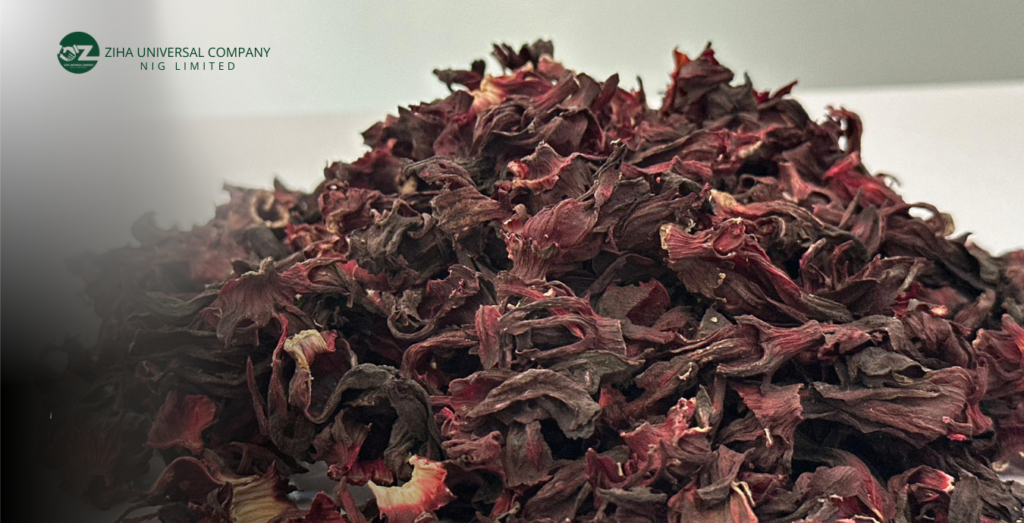
Hibiscus flower (Hibiscus sabdariffa) is a valuable agricultural commodity that has gained strong recognition in international trade. Known for its rich red appearance, sharp fruity taste, and plant-based profile, hibiscus is widely used by manufacturers across food, beverage, wellness, and personal care industries. Its commercial importance continues to grow as global buyers prioritize natural ingredients.
The Nature of Hibiscus Flower
Hibiscus is a tropical plant cultivated primarily for its calyces. After harvesting, these calyces are carefully dried to maintain quality, color strength, and shelf stability. Once processed, dried hibiscus becomes a reliable raw material suitable for both small-scale and industrial use.
Commercial Applications of Hibiscus
Beverages and Tea Products
Hibiscus is extensively used in herbal teas, beverage blends, and concentrates. Its natural acidity and color enhance product quality without synthetic additives.
Food Manufacturing
Food processors use hibiscus in sauces, syrups, fruit preparations, and specialty foods to add natural flavor and visual appeal.
Wellness and Herbal Solutions
Hibiscus is commonly included in herbal blends and wellness products due to its antioxidant content and traditional use.
Cosmetic and Care Products
In personal care manufacturing, hibiscus is valued as a botanical ingredient in skincare and haircare formulations focused on natural sourcing.
Structure of Global Demand
Global demand for hibiscus is driven by different usage patterns. In beverage-focused markets, hibiscus is a daily drink ingredient. Value-added markets import hibiscus for premium teas, cosmetics, and wellness products. Traditional-use markets rely on hibiscus for cultural drinks and herbal practices, while emerging markets continue to expand consumption through food and beverage innovation.
Nigeria as a Key Producer
Nigeria stands out as a leading producer of hibiscus flower in Africa. Supported by suitable climate conditions and experienced farmers, Nigerian hibiscus is widely recognized for its deep color, bold flavor, and export-grade quality. Continuous improvement in processing has strengthened its position in global supply chains.
Why Hibiscus Appeals to Global Buyers
Hibiscus remains attractive in international trade because it offers:
- Natural, plant-based sourcing
- Broad application across industries
- Long shelf life when properly dried
- Consistent and growing global demand
Conclusion
Hibiscus flower has become a strategic natural commodity with worldwide relevance. Its versatility, reliability, and alignment with global trends make it a preferred choice for international buyers. With strong production bases and proper handling, hibiscus continues to play a vital role in global markets.