
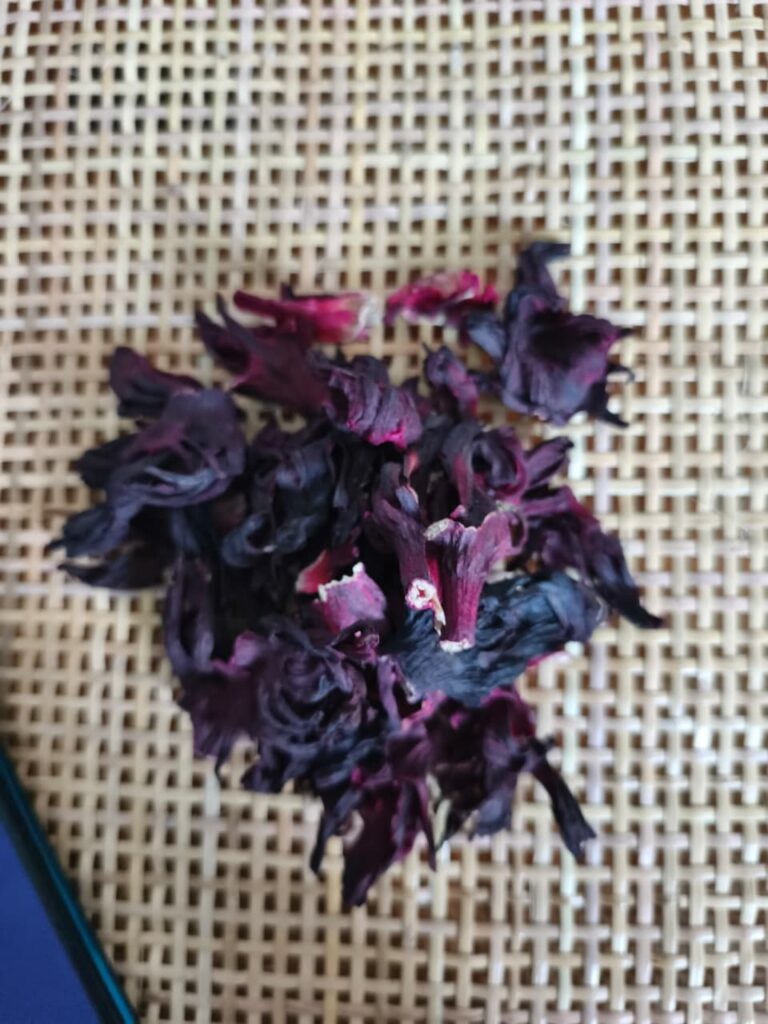
Hibiscus has become a widely used raw material in beverage and food production due to its distinct color, acidity, and adaptability. When handled correctly, it moves efficiently from farm level to industrial use without losing its core properties. Scientifically known as Hibiscus sabdariffa, this crop is valued for its ability to deliver consistent results across different processing environments.
Understanding how hibiscus flows through the supply chain helps buyers and manufacturers make better sourcing decisions.
Cultivation at Source
Hibiscus production begins with simple but controlled farming practices designed to support stable output. Key focus areas include:
- Growing under suitable climate conditions
- Harvesting at the right stage for color and acidity balance
- Ensuring proper handling immediately after harvest
These steps influence the overall usability of the product.
Handling and Drying
Once harvested, the way hibiscus is handled determines its quality in the market:
- Careful separation and cleaning of calyces
- Proper drying to reduce moisture and prevent spoilage
- Storage in ventilated conditions to maintain stability
This stage is critical for preserving the product before export or processing.
Role in Production
Hibiscus is used in different types of production systems because of its functional properties:
- Provides natural red coloration
- Contributes mild tartness to formulations
- Works well in both small-scale and industrial processing
Its versatility makes it suitable for a wide range of applications.
Global Consumption
Across regions, hibiscus is consumed in different forms and traditions. It is commonly known as:
- Zobo in West Africa
- Karkade in North Africa and the Middle East
- Agua de Jamaica in Latin America
These variations show its wide acceptance and cultural integration.
Market Relevance
Hibiscus continues to remain relevant in global markets due to its natural characteristics:
- Contains antioxidants
- Supports clean-label product development
- Naturally caffeine-free
- Includes Vitamin C
These features contribute to steady interest from manufacturers and consumers.
Conclusion
Hibiscus is a practical agricultural product that moves efficiently from cultivation to final use when handled correctly. Its consistent properties and adaptability make it a dependable ingredient across different markets.
Ziha Universal Company Nig Limited participates in this supply chain by providing hibiscus that meets common industry expectations and supports reliable production outcomes.