
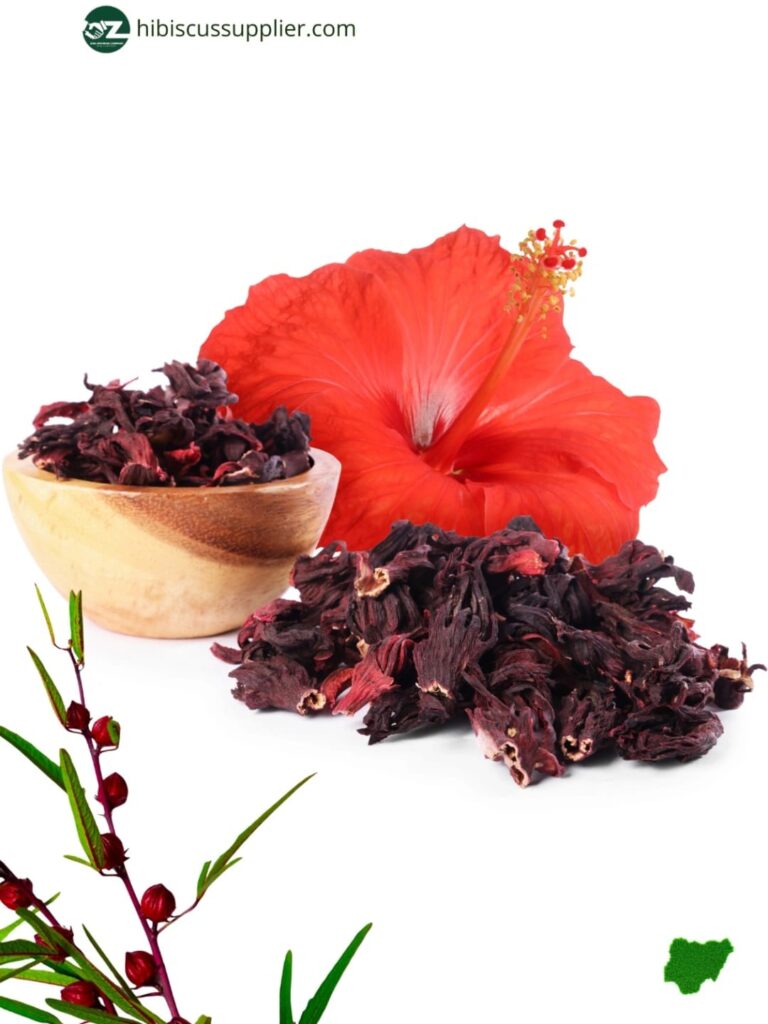
Hibiscus roselle (Hibiscus sabdariffa) is a widely recognized flowering plant valued for its natural quality, rich color, and broad applications. The dried red calyces of the plant are used across food, beverage, and herbal industries, making hibiscus roselle an important agricultural product in international markets.
Naturally Grown and Carefully Processed
Hibiscus roselle is cultivated in warm climates where soil and weather conditions support healthy growth. After harvesting, the calyces are properly dried to preserve their natural color, aroma, and flavor. Careful handling and processing are essential to ensure the product meets market and regulatory requirements.
Common Uses of Hibiscus Roselle
Hibiscus roselle is used in many industries due to its versatility, including:
- Herbal teas and beverages
- Juice blends and concentrates
- Food products such as jams and syrups
- Natural coloring for food and drinks
- Traditional herbal preparations
Its natural acidity and appealing color make it suitable for both commercial production and everyday consumption.
Consistent Demand in International Markets
Hibiscus roselle is traded globally and is in steady demand across regions such as the Middle East, Asia, Europe, and North America. Buyers value products that are well-dried, clean, and properly packaged. Consistency in quality and supply is a key factor in maintaining long-term business relationships.
Quality Standards That Matter
High-quality hibiscus roselle is identified by:
- Deep red, intact calyces
- Low and controlled moisture content
- Clean sorting with minimal foreign matter
- Food-grade packaging suitable for export
Meeting these standards helps ensure acceptance in international markets and supports smooth trade operations.
Contribution to Agriculture and Trade
Hibiscus roselle plays a positive role in agricultural development by supporting farmers and contributing to export earnings. Its adaptability and commercial relevance make it a dependable crop within the agricultural value chain.
Conclusion
Hibiscus roselle is a natural, widely used agricultural product with clear applications and stable global demand. Its quality, versatility, and importance in international trade make it a reliable choice for businesses involved in food processing, beverages, and agricultural sourcing.